Entry · Ref OGEV4YSH
How a Gin Bar Highlights Local Distilleries
- Posted
- 2026-11-06
- Last amended
- 2026-11-06
- Account
- @andersonekph526
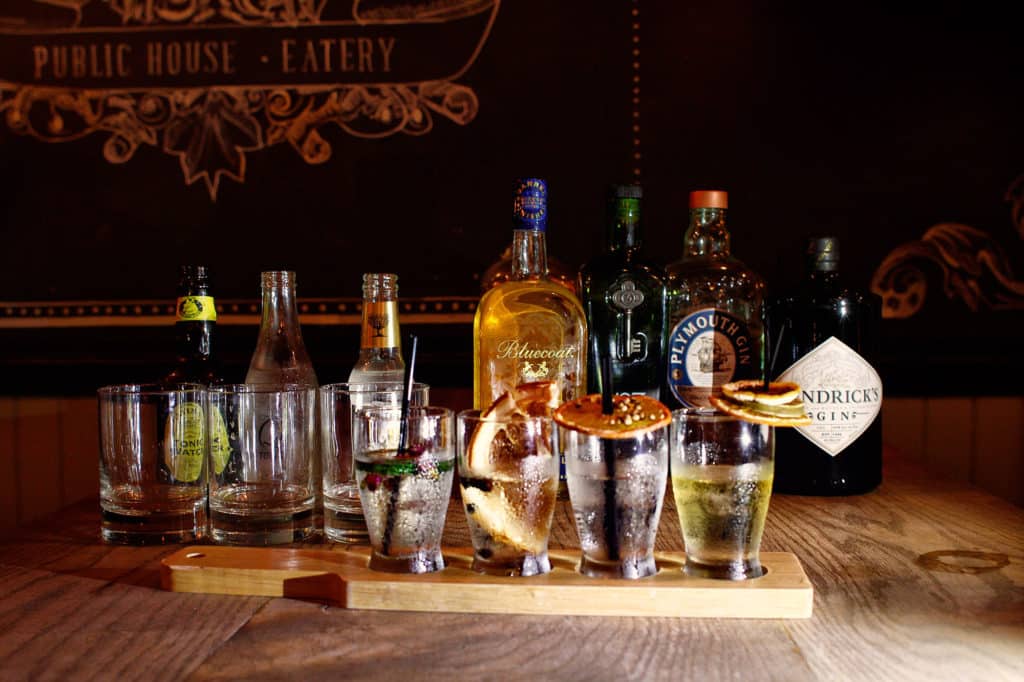
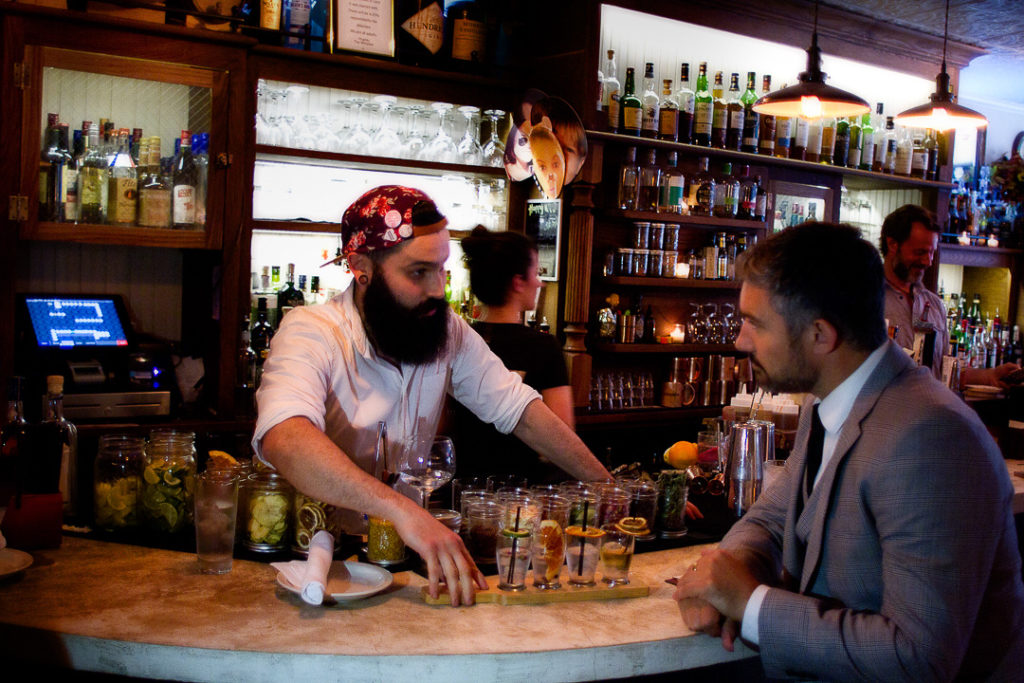
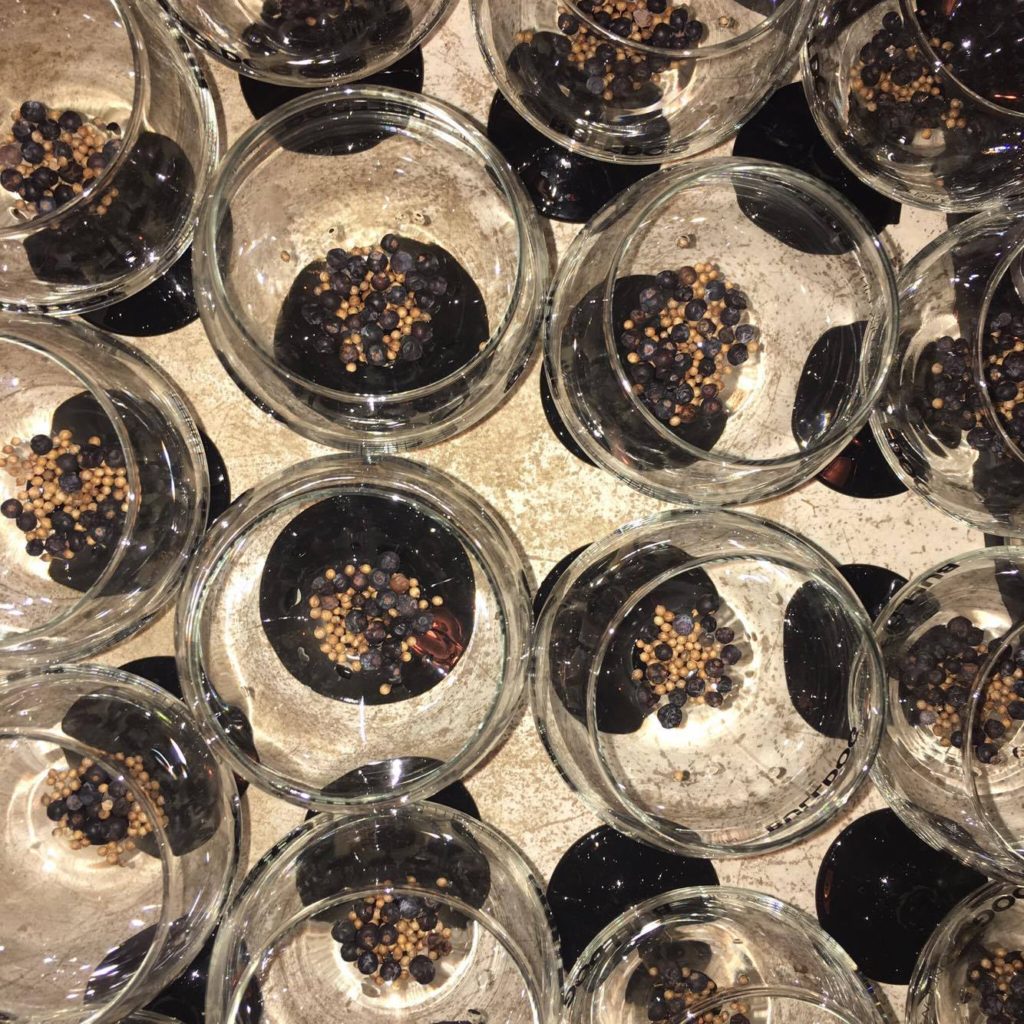
A good gin bar does more than stock bottles and stir martinis. At its best, it becomes a translator between a distiller’s work and a guest’s palate. That role matters most at the local level, where smaller distilleries often produce excellent gin but lack the advertising budgets, sales teams, and broad distribution that move bigger brands into public view. When a bar takes local gin seriously, it can change how people think about their region’s spirits. It can also change the economics for the producers making them.
That does not happen by accident. Simply placing a local bottle on the back bar is not enough. Guests need context. Bartenders need confidence. Menus need to tell a story without sounding like a brochure. Pricing has to feel fair. The drinking experience itself needs to prove that the spirit deserves attention, not sympathy.
I have seen local bottles gather dust in bars that wanted to appear supportive but did not know how to sell the category. I have also seen a modest gin program turn into a citywide reference point because the team understood one thing: people do not fall in love with “local” as an abstract value. They fall in love with flavor, memory, hospitality, and trust. A gin bar that highlights local distilleries well makes all four visible.
The bar as curator, not warehouse
Guests walk into a gin bar expecting range, but range alone can become noise. Twenty local gins lined up side by side may impress another bartender, yet most guests only see unfamiliar labels and uncertain choices. Curation is what turns abundance into confidence.
That starts with selection. A serious gin program should resist stocking local bottles purely out of civic duty. If the bar wants guests to take local distilleries seriously, the standard must stay high. Not every local gin deserves placement, and saying yes to all of them usually weakens the category. A bar that curates carefully protects its own credibility and, by extension, the credibility of the distillers it chooses to feature.
The best local gin selections show distinction. One bottle may lean heavily into juniper and citrus peel, another may carry a savory lift from rosemary or bay, another may show floral notes from lavender or elderflower, and another may reflect regional agriculture through ingredients like sea buckthorn, native herbs, or locally grown coriander. A guest should be able to taste why each bottle exists. If the lineup blurs together, the story is harder to tell.
There is also a practical side to curation. Small distilleries often operate on shorter production runs, occasional label changes, and uneven supply. A bar that wants to highlight them must build flexibility into the program. It helps to design menus that can accommodate rotation without needing a full reprint every time a bottle disappears for six weeks. Chalkboards, menu inserts, and QR-linked extended notes can solve that problem neatly, but only if the changes are managed with discipline.
Why local gin needs interpretation
Gin is one of the most expressive white spirits behind the bar, but that expression can be easy to miss. Vodka announces neutrality. Whisky often announces age, oak, and weight. Gin sits in a more nuanced space. Its character is botanical, aromatic, and highly dependent on how it is served. A local gin may taste restrained in a neat pour and become vivid when paired with the right tonic, citrus, or garnish.
That is why a gin bar has unusual power. It can stage the spirit properly.
A guest who tastes a local gin in a generic gin and tonic with the wrong tonic water, too much ice melt, and a random lime wedge may leave thinking the gin was forgettable. The same bottle, served in a balloon glass with a measured pour, a tonic chosen for bitterness level, a grapefruit peel expressed over the top, and a brief explanation from the bartender, can land very differently. Nothing about the distillate changed. The frame changed.
This is one of the quiet truths of bar work: products are often judged through service decisions. Local distilleries live or die on those decisions more than multinational brands do, because guests are still forming first impressions. A global label can survive an indifferent pour. A lesser-known local bottle usually cannot.
Menu design does a surprising amount of the heavy lifting
If you want to know whether a bar truly supports local distilleries, look at the menu before you look at the shelves. Back-bar placement matters, but menus shape choices.
Too many bars list gin by brand name alone and assume guests will ask questions. Most do not. They order what they recognize or what seems safest. A local gin section works better when it includes just enough sensory information to guide a decision. Not a page of marketing copy, just a few precise cues: bright juniper, lemon zest, coastal herbs, peppery finish. Those details help guests order with confidence.
Naming drinks carefully matters too. There is a missed opportunity when a cocktail menu says only “house gin & tonic” or “martini” while using a local bottle behind the scenes. If the bar wants to highlight the distillery, it should say so directly. That can be done elegantly. “Martini with North Quay Dry Gin” is clearer and more respectful than burying the producer in small print or omitting it altogether.
Some bars go further and build short seasonal features around a single distillery. This can work especially well when the producer has a clear identity, such as a farm distillery using estate-grown botanicals or a coastal operation drawing inspiration from local flora. Done well, the feature introduces guests to a producer through several formats: a classic serve, a signature cocktail, and a tasting pour. It gives the bottle a richer life than a single line on a spirits list.
Pricing deserves care here. Local gin often costs the bar more per bottle than a major brand, especially when the distillery works at small scale. Passing the entire premium to the guest can make the category feel like a moral purchase rather than a pleasure purchase. The better approach is usually selective margin management. Some bars accept a slightly tighter margin on local featured serves because those drinks differentiate the program and create long-term loyalty. That is not sentimentality. It is smart merchandising.
Staff knowledge is the real sales engine
The guest-facing story depends on what staff can say in ten seconds, not what the distillery website says in two hundred words. A bartending team does not need to memorize every still specification or botanical count. They need to know how each local gin tastes, what makes it different, and how to guide someone toward it naturally.
When training works, the recommendation sounds effortless. A guest says they like something crisp and classic, and the bartender steers them toward the juniper-forward local dry gin. Another says they want something softer and more aromatic, and the bartender suggests a local bottle with chamomile and citrus blossom notes. That interaction feels personal rather than promotional.
There is also value in helping staff understand the production side. Distillation choices are not just geek trivia. They explain flavor. Whether a distiller uses vapor infusion, maceration, fresh versus dried botanicals, neutral spirit made in-house versus bought-in base spirit, or lower proof bottling all of that can influence texture and aroma. Bartenders who understand those links speak with more precision, and guests notice.
One of the simplest ways to improve local gin Gin Bar sales is a structured staff tasting before each menu change. Five small samples, side by side, can sharpen the whole team’s language. Ask what they smell first, what they would pair it with, and which guest type might like it. The point is not to produce textbook notes. The point is to build confidence and shared reference.
A useful staff framework often includes the following:
- what the gin tastes like in one short sentence
- what serve shows it best
- what known brand it loosely resembles, if any
- what kind of guest typically responds to it
- one memorable fact about the distillery
That is enough to move from passive stocking to active selling.
Signature serves can make a distillery legible
A local bottle becomes easier to understand when the bar builds a serve around its strengths. This is where a gin bar can act almost like a stage director. It decides what the audience will notice first.
A juniper-led London dry style from a local distillery might deserve the simplest possible presentation, perhaps a martini or a Gin Bar very restrained gin and tonic. A contemporary gin with pronounced orchard fruit and floral character may come alive in a spritz-style long drink or a highball with acid balance and a lighter tonic. A savory or herbaceous bottling may find its sweet spot in a Gibson variation or a cocktail that uses saline, dry vermouth, and a subtle garnish.
The mistake bars sometimes make is treating local gin as a symbolic ingredient rather than a technical one. They build a loud cocktail around it, pile in syrups and liqueurs, and erase the spirit’s character. Guests order the drink, enjoy it, and never actually taste the gin. That does not help the distillery. Signature serves should amplify, not mask.
The garnish deserves more attention than it usually gets. For gin, garnish is not decoration. It is aromatic architecture. A twist of lemon versus grapefruit, a rosemary sprig versus basil leaf, a slice of fresh apple versus a dehydrated orange wheel, each one pushes the guest toward a different reading of the spirit. Bars that highlight local distilleries well treat garnish with the same seriousness as glassware and dilution.
I remember one venue that featured a local gin made with foraged gorse flowers and coastal botanicals. Neat, it was elegant but easy to overlook. In a tall serve with a dry tonic, a thin strip of lemon peel, and a single bruised thyme sprig, it suddenly made sense. The garnish pulled the gin’s landscape into the glass. Sales increased, not because the bar used a louder pitch, but because the serve finally fit the bottle.
Events create depth, but only when they feel grounded
Meet-the-maker nights, guided tastings, and collaborative menus can all help a gin bar highlight local distilleries, but the format matters. Guests respond best when these events feel intimate and useful rather than corporate.
A tasting of three local gins alongside one imported benchmark can be especially effective. It gives people a point of comparison without turning the evening into a patriotic exercise. If the local bottles hold up on structure, balance, and finish, guests discover that through their own palate. That is far more persuasive than a speech about supporting local business.
Distiller appearances can also work well, provided the producer is comfortable talking to consumers in plain language. The strongest distillers are often the ones who can explain technical decisions simply. Why did they reduce the angelica root? Why shift from fresh orange peel to dried? Why bottle at 43 percent rather than 40? Those details make the product feel crafted rather than generic.
Events should also acknowledge trade-offs honestly. Small distilleries may not always have the consistency or scale of larger houses. A seasonal batch might lean slightly brighter one year and more resinous the next, especially if the distiller works with fresh or locally variable botanicals. That is not necessarily a flaw. It can be part of the appeal, but bars should present it as character, not excuse.
The relationship works both ways
A gin bar can elevate a local distillery, but the distillery also has obligations. The best partnerships are collaborative and realistic.
Distilleries that support bars well usually provide more than samples and branded glassware. They help train staff, share serving recommendations based on actual flavor chemistry, stay honest about stock availability, and respond quickly when a venue needs product information. They understand that bars need reliability as much as romance.
Meanwhile, bars should give feedback upstream. If guests consistently struggle with a label because the packaging looks too much like flavored vodka, the distiller should hear that. If a local gin works beautifully in a martini but falls flat with tonic because its citrus top notes disappear, that is useful information too. Bars are live testing rooms. Distilleries that listen learn faster.
There is commercial sensitivity here, of course. Not every bar wants to feel like an unpaid consultancy for producers. Fair enough. But a mature local spirits scene depends on this exchange. The strongest markets are usually the ones where bartenders and distillers sharpen each other.
Place is more than a marketing word
When people talk about local spirits, they often drift into soft language about community and craftsmanship. Those ideas are real, but they become more compelling when tied to tangible place.
A local gin can reflect place through ingredients, water source, climate, farming links, or cultural references, though not every bottle does all of these. Some of the most convincing examples are modest. A distillery may use native herbs in a restrained way, source citrus alternatives that suit the local growing region, or build a botanical bill that echoes nearby woodland, coastline, or hedgerow. The point is not novelty. The point is coherence.
A gin bar can make that coherence understandable. It can connect a bottle to a local cheese board, a regional oyster program, or a small plate with herbs that mirror the gin’s own aromatic profile. It can pair a distillery feature with a neighborhood event or seasonal ingredient calendar. These are not gimmicks when done with restraint. They help the spirit live inside a broader sense of place.
That said, “local” should never become a shield against criticism. Some local gins are overbuilt, chasing uniqueness so hard that they lose drinkability. Others mimic established styles so closely that their origin barely matters. A serious gin bar helps guests navigate both realities. It celebrates distinctiveness when it is earned and steers people toward balance when experimentation goes too far.
Measuring whether the effort is working
A lot of bar operators assume that if they host a few local spotlights and the distiller reposts them on social media, the strategy is succeeding. That is a weak measure. The better signals are operational and behavioral.
A bar can judge the health of its local gin program by looking at a few grounded indicators:
- repeat orders of the same local label from returning guests
- conversion rates when staff recommend a local pour over a familiar national brand
- sales spread across multiple local distilleries, not just one novelty favorite
- movement of local gin in classic serves, not only discounted specials
- how often guests ask for a bottle again by name
Those signs suggest the bar has moved past curiosity and into genuine preference.
It is also useful to track where local gin succeeds. Some bottles shine in martinis, others in long drinks, others in flights. Knowing that keeps the bar from forcing every spirit into the same commercial format. A bottle that sells slowly by the shot may still be a high performer in a well-designed signature serve. Context matters.
What guests remember
People rarely remember the full technical explanation of a spirit. They remember the confidence of the recommendation, the first aroma as the drink hit the table, the way the garnish framed the sip, and the feeling that they discovered something worthwhile rather than being sold something worthy.
That is the real contribution of a well-run gin bar to local distilleries. It turns abstraction into experience. It gives a bottle a setting, a language, and a repeatable route into someone’s preferences. Once that happens, the guest may buy a bottle for home, ask for the same brand elsewhere, bring friends back to try it, or start recognizing the distillery at retail. The effect compounds.
A local distillery does not need a bar to flatter it. It needs a bar to understand it. When a gin bar commits to careful selection, precise service, informed staff, and honest storytelling, it becomes one of the most effective platforms a small producer can have. The bar sells drinks, yes, but it also builds reputation. For local gin, that distinction matters.
And when it works, the payoff is visible on both sides of the stick. The distillery gains reach without losing identity. The bar gains a deeper program that cannot be copied by ordering the same global case deals as everyone else. Guests get drinks with a sense of place and purpose. That is not just local support. It is better hospitality.
The Winslow
243 E 14th St
New York, NY 10003, United States
Phone: +1 212-777-7717
FAQ About Gin Bar
How to do a gin tasting?
Start with a small pour and gently smell the gin before taking a small sip. Notice its juniper, citrus, floral or spice notes, then compare how the flavor changes with a little water or tonic. At a gin bar, ask the bartender to explain the selection and botanical pairings.
How to make the best tasting gin and tonic?
Use chilled gin, fresh tonic and plenty of ice. A common starting ratio is one part gin to two parts tonic, adjusted to taste. Choose a garnish that complements the gin's botanicals and stir gently to preserve the bubbles.
What is the smoothest tasting gin?
There is no single smoothest gin for everyone. Perceived smoothness depends on the botanical recipe, alcohol strength, serving temperature and mixer. Describe whether you prefer citrus, floral, herbal or juniper-forward flavors so a bartender can suggest a suitable style.